
Months 4-6 of SMB AI: Building Discipline That Compounds
Months 4-6 are where AI value either compounds or plateaus. Here's the discipline that turns a working AI stack into a capability that keeps producing returns.
Thoughts on AI, automation, and building systems that actually work.
Months 4-6 are where AI value either compounds or plateaus. Here's the discipline that turns a working AI stack into a capability that keeps producing returns.

Months 2-3 are where most SMB AI rollouts stall. Here's how to expand from a single-use-case pilot to a working multi-tool stack without losing the discipline that made month 1 work.

Most SMBs spend the first month of AI adoption planning instead of doing. Here's the week-by-week playbook for actually using AI in your business within 30 days.

Most SMB AI plans either move too fast (everything at once) or too slow (months of planning before any tool). Here's the working 6-month roadmap that produces real ROI.

Most SMBs end up with 12+ AI tools, half unused, all auto-renewing. Here's a discipline for building an AI stack that stays lean and produces compounding value.

Operations is where AI tools earn the highest ROI for SMBs because they replace tedious recurring work. Here's the working operations stack and what each tool actually delivers.

A working AI marketing stack for under $100/month: foundation model, design, social, email, SEO. Tools that deliver real outcomes at SMB scale, with honest pros and cons.

A practical guide to affordable AI tools organized by business function. Specific recommendations, real prices, and honest assessments of what each delivers at SMB scale.

Most small business AI advice assumes you should spend more. Here are the cases where the right answer is to spend less, defer, or skip entirely.
A working list of free and under-$30/month AI tools that small businesses actually use, organized by use case. With honest assessments of what each does and doesn't do well.

BCG's framework says 10% of AI investment should go to algorithms, 20% to tech, 70% to people and process. Here's why that ratio is even more important for small businesses than for enterprises.

Most small business AI advice ignores budget reality. Here's what actually works for under $200/month, the rules of thumb that protect your spend, and where to invest if you have $5K-$30K.

Most AI vendor pilots end inconclusively. A structured 4-week pilot with eval-driven scoring produces decisions you can defend. Here's the playbook.

How to score the three load-bearing dimensions of AI partner evaluation in detail. Sub-criteria, evidence requirements, and scoring rubrics that produce defensible decisions.

Without an eval set, vendor pilots become demo theater. Here's how to build gold and silver sets that actually let you compare vendors fairly and pick the right one.

A structured framework for scoring AI vendors across five dimensions. Practical, scorecard-based, and designed to produce defensible decisions in days rather than months.

Sales calls reveal a lot about vendor capability if you know what to listen for. Six conversation patterns that separate vendors who deliver from ones who don't.

Most AI vendor proposals skip MLOps because buyers don't ask for it. Eight production-maturity practices that separate vendors who ship from ones who demo.
AI vendor portfolios are mostly marketing artifacts. Here's how to read past the screenshots and marketing copy to find what was actually built.

Most failed AI dev engagements were predictable from the first sales call. Twelve red flags that filter the firms most likely to disappoint, organized by where they show up.

The vendor with 5 deployments in your industry beats the vendor with 30 deployments across 30 industries. Here's why specificity wins, and how to verify a vendor's industry depth.
Most AI vendor evaluations skip the data and privacy questions that determine whether the deployment passes legal review. Here are the seven that surface real risk.

Most vendors call themselves AI-native. Most aren't. Here's the actual architectural difference, the questions that surface it, and why it matters for buyers.

Most buyers screen AI vendors on the wrong criteria. Ten criteria that actually predict whether the solution delivers — and the four signals that mean you should walk away.

Pure agency or pure in-house is increasingly rare. Five hybrid structures that compress the cost-quality curve, with realistic budgets and when each pattern fits.

Most companies switch too late or too early. Six signals that tell you the agency relationship has run its useful course and the in-house transition is overdue.

Two-person AI team: $312K-$468K/year fully loaded. Four-person team: $700K-$950K. What the real numbers include, what most companies underestimate, and the break-even math.

Agencies are cheaper in year one, faster to ship, and broader in skills. In-house teams are cheaper long-term, deeper on your business, and survive turnover. Here's the honest matrix.

Big Four firms bring scale and brand. Boutiques bring senior practitioners on every engagement. Here's the honest split on when each is the better choice.

Most bad AI consulting engagements were predictable from the proposal. Eight red flags that separate proposals likely to deliver from ones likely to disappoint.

Most scoping calls cover surface ground. The eight questions that surface real signal — about eval discipline, integration depth, team continuity, and the parts vendors prefer to dodge.

Most buyers pick the firm with the best deck. Better buyers screen on five criteria that actually predict whether the engagement ships. Here's the buyer's guide.

The instinct with AI sprawl is to consolidate fast. Sometimes that's right. Often it's the expensive wrong answer. Four scenarios and a keep/consolidate/kill matrix.
Most internal teams treat governance as a checklist. Specialists treat it as a workstream that runs from week one. Here's what they catch that internal teams routinely miss.

Blanket bans on shadow AI don't stop the usage. They push it deeper underground. A contrarian take on what to do instead.

Three options, one correct order of operations. Try prompting first, then RAG, then maybe fine-tuning. Most teams skip steps and pay for it.

License spend is maybe 20% of the real cost of AI sprawl. Here's the four-layer cost model and worked math for a 500-person company.
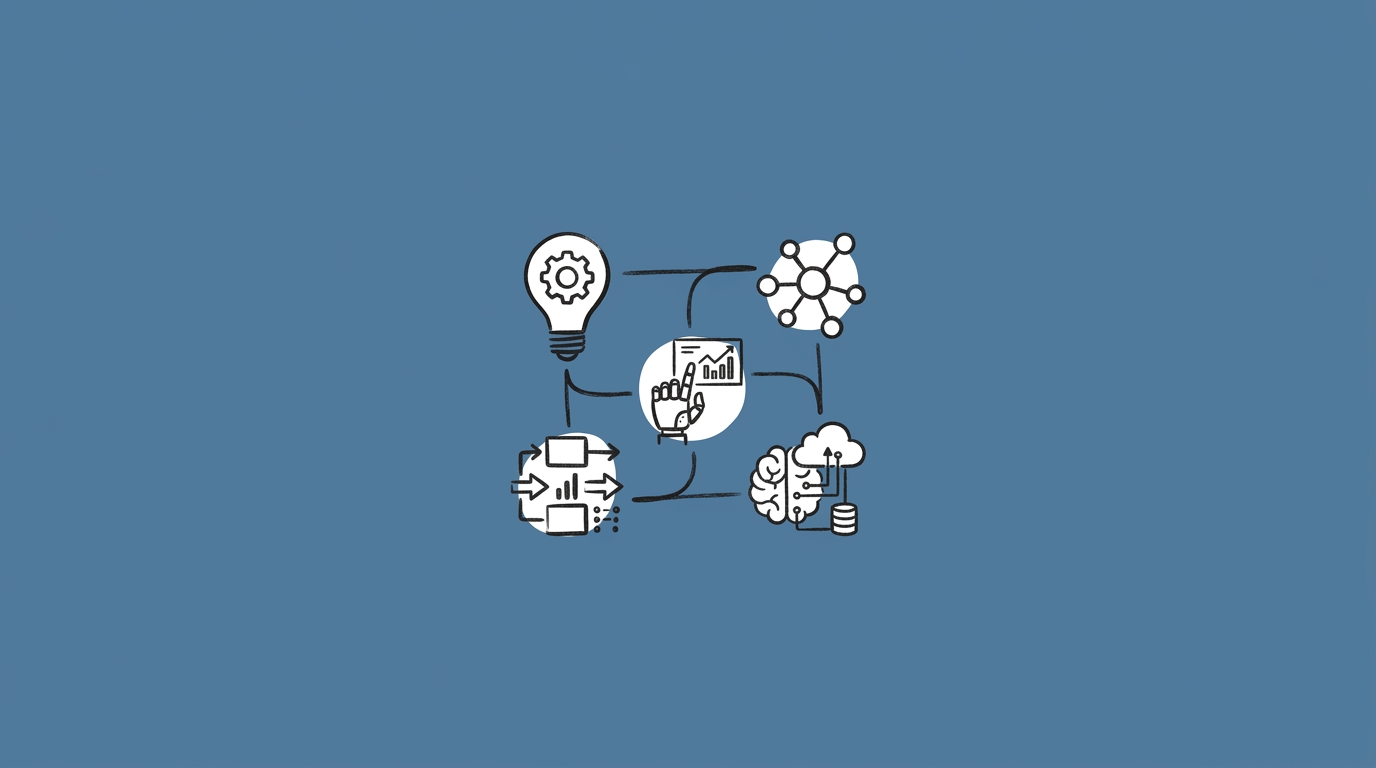
Strategy, custom model development, integration, data services, governance. The five categories that make up a generative AI consulting engagement, with realistic scope and pricing.
AI sprawl is the uncontrolled spread of AI tools, agents, and embedded features across a company. Here's where it comes from and how to inventory it.

Most generative AI work is now table stakes — your existing team can handle it. The four cases where expert consulting actually pays back, and the cases where it's overhead.

Strategy engagements rarely produce measurable ROI directly. Here's the four-metric framework that actually tracks whether the strategy paid back.

Most AI strategy frameworks produce slides nobody acts on. The four frameworks that actually shape investment, with specific outputs and how to use each one.

Centralized vs federated. Build vs buy. Make-then-use vs use-then-make. The six binary decisions that determine whether your AI strategy actually shapes investment.

AI strategy without an implementation path is a deck. The questions to ask in discovery, scoping, and contract phases to make sure you're buying outcomes, not slides.
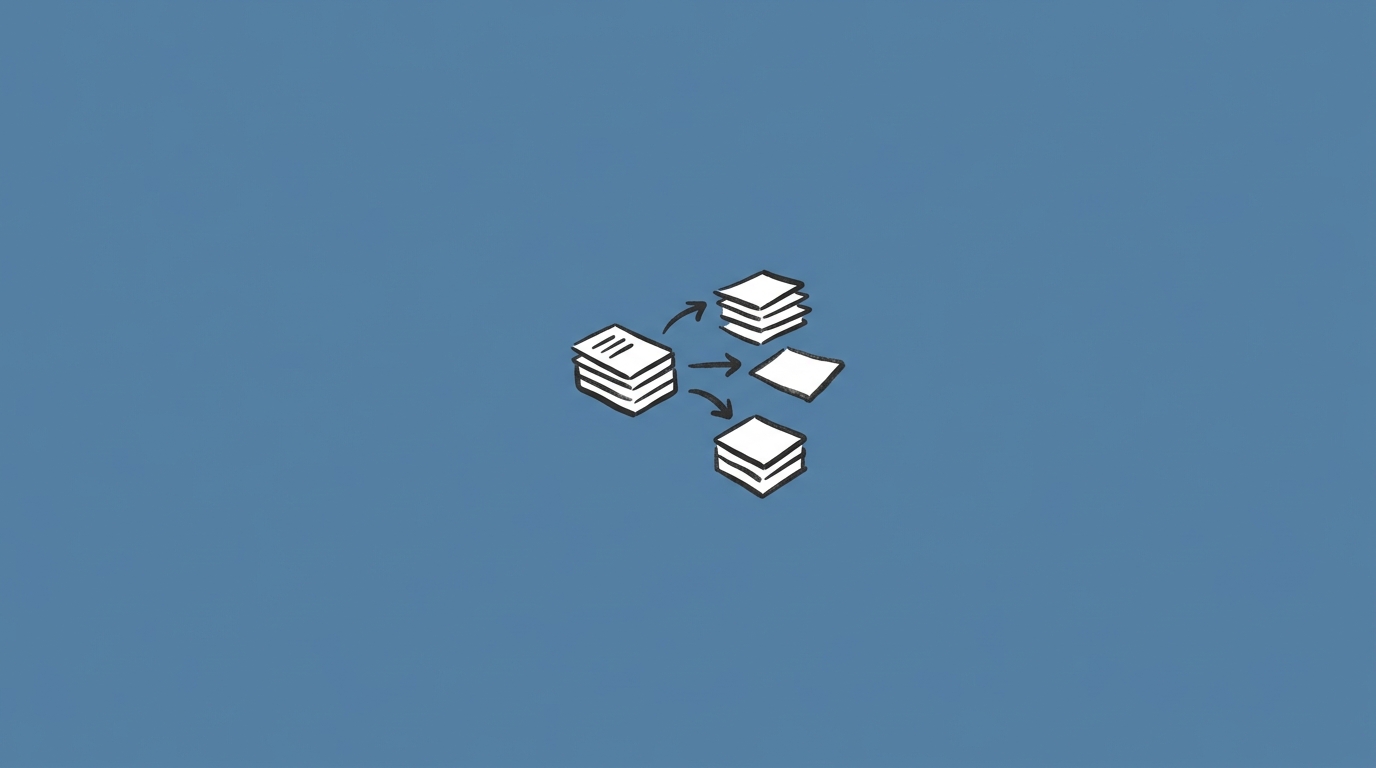
60-70% of AI consulting work is data preparation, not model building. Most engagements that fail underestimated this. Here's how to scope data readiness honestly.

Advisory produces roadmaps. End-to-End produces working systems. The decision rule for which structure fits your specific situation, plus the hybrid that wins for most mid-market engagements.

Speed matters. But in AI, the wrong kind of speed creates problems that cost three to five times more to fix later than to prevent upfront.

Every week, someone asks which AI tool they should use. The answer is always the same: it depends on the problem, and most have not defined it yet.
Most AI automation projects fail not because of the model but because of the data. A clear data strategy is the foundation that makes everything else work.
New models ship every quarter. If your AI system is locked to one provider, every upgrade becomes a rebuild. Here is how to design for change.
Discovery, assessment, roadmap, build, integration. Each phase week-by-week with realistic durations and the deliverables that should exist at the end of each.

The technology works. The problem is everything that happens before anyone touches it.

Discovery, assessment, roadmap, build, integrate. The structured 5-phase process and the 60-70% data problem that decides whether the engagement actually delivers.

MIT's NANDA project tracks the failure rate. The Berkeley/Stanford/IBM MAP study and Cleanlab's survey identify what the 5% does differently. Seven failure modes, seven fixes.

Anthropic's own engineering retrospective lists the cases where multi-agent fails. Here's the contrarian decision rule the AI Overview leaves out.
Anthropic's published number: a multi-agent system beat single-agent Claude Opus 4 by 90.2% on research tasks — and used 15× more tokens. The economic line where multi-agent earns its seat.
Cleanlab's data: 63% of production teams will invest more in observability next year. The blueprint for what that investment actually buys.

IBM puts neural networks at the innermost ring of the AI stack. Here's what that means in practice — and why the distinction matters for buying decisions.

Anthropic's review of dozens of agent builds found that the successful ones used simple, composable patterns — not frameworks. The build sequence that ships.
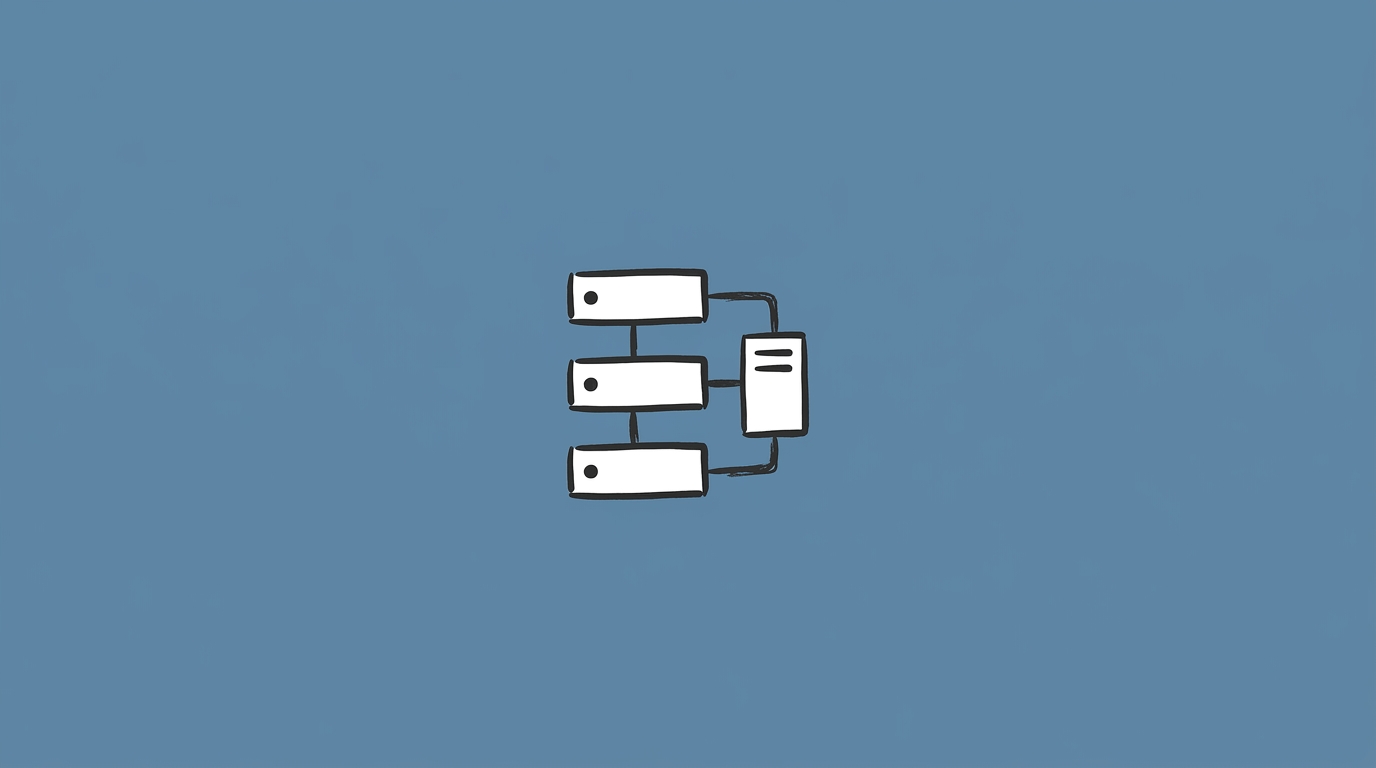
Redis for state. PostgreSQL for memory. Strict input/output validation. The infrastructure pattern most production AI agent stacks converge on — and why.

The AI Overview leaves out the cheapest option. Here's the three-way decision rule, including the cases where the right answer is no AI at all.

Tree-based models still win on tabular data, by a margin published research has documented for years. The decision rule for picking between classic ML and deep learning.
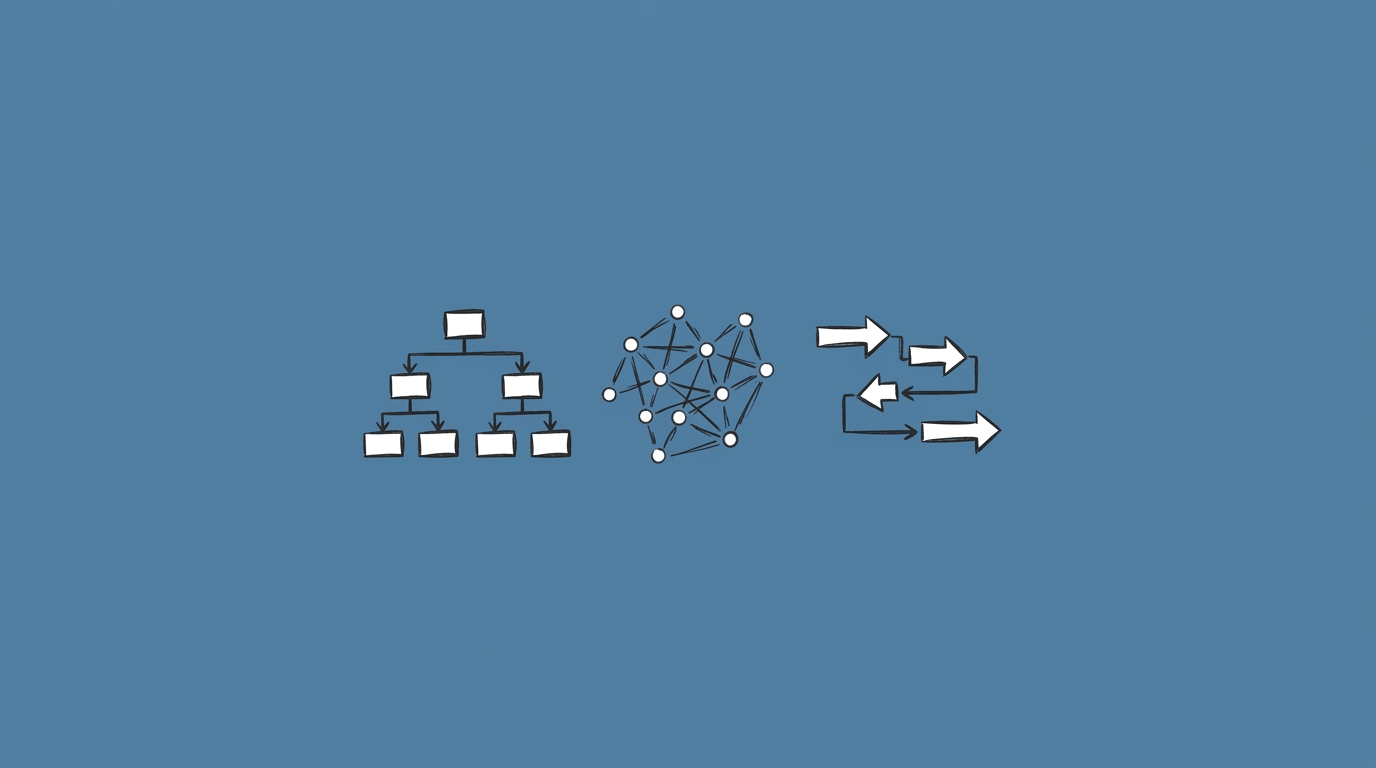
The AI Overview names three multi-agent patterns. Here's what each one looks like in production code, what it costs, and when each one earns its seat.

Failed pilots, unused licenses, and a widening productivity gap. The real cost of not being AI ready is compounding — and most companies aren't doing the math.
The textbook taxonomy of AI agents — simple reflex, model-based, goal-based, utility-based, learning — translated into business buying decisions.

A practical decision tree that maps real business problems to the right ring of the AI stack — without buying inner-ring capability for outer-ring work.

The technique stack under predictive maintenance — anomaly detection, RUL prediction, gradient-boosted trees on sensor features. What actually wins in production, and where deep learning earns its seat.
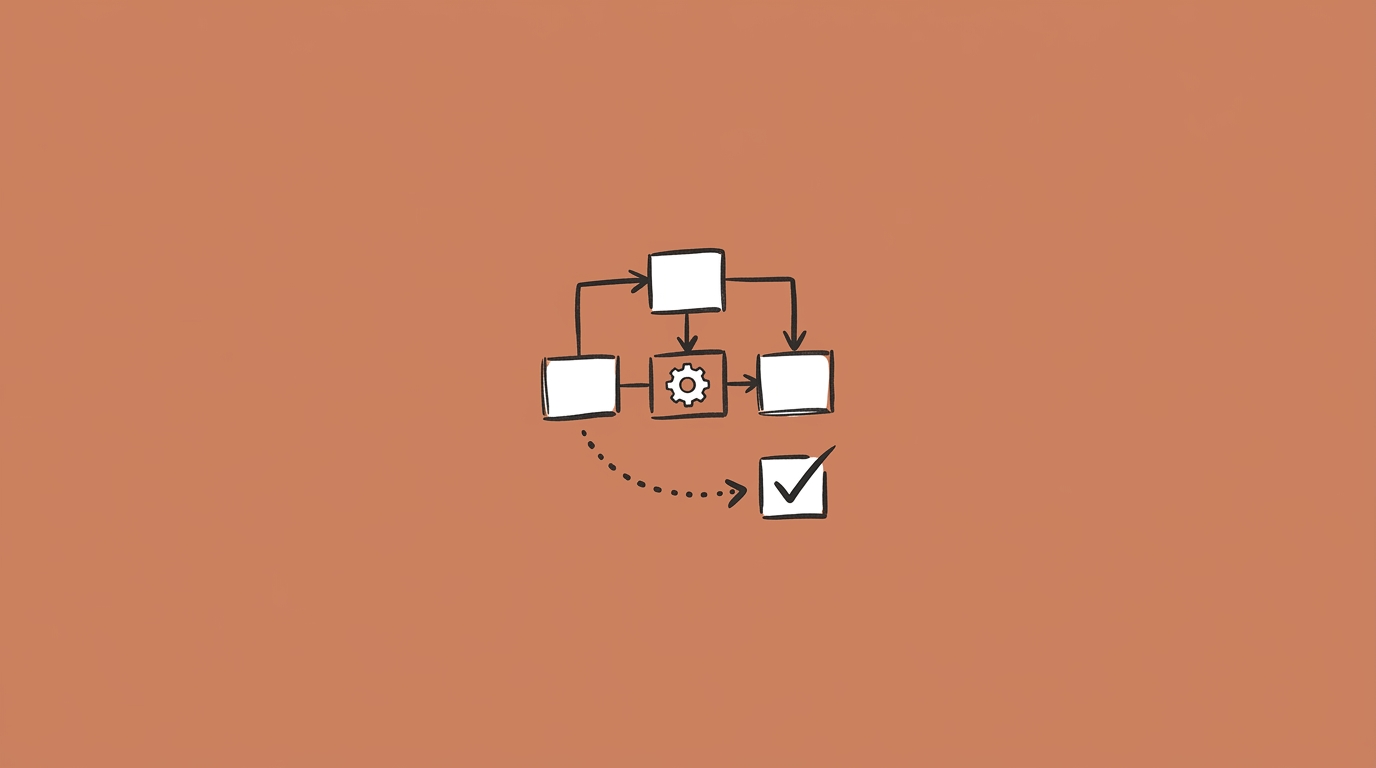
The number one predictor of AI ROI is end-to-end workflow redesign, not model selection. 84% of companies haven't done it. The problem was never the model.
The dispatch-time route is the easy half. Re-routing through a day of disruptions is where AI logistics actually earns its seat. Here's the architecture that handles it.
AI recommends products by reading structured data, not ad spend. Two Google Merchant Center fields decide if your catalog gets picked. Most brands leave them empty.

The Google AI Overview names five product data tools. Here's the practical playbook for actually deploying one — including the PIM integration patterns most articles skip.

About 90% of fine-tuning projects shouldn't happen. Three questions that end most of them before they start, and what to do instead.

AI is genuinely additive for social research, ideation, and A/B variants. It actively hurts on impersonal voice and generic visuals. The honest map of where each one sits.

The model API is 10-20% of what an AI project actually costs. Here's the rest of the invoice — the part vendor pricing pages don't show you.
Five specific cases where fine-tuning earns its keep, three where it's $40K wasted, and the five-step check before you start.

78% of companies have touched AI. Five percent have made money from it. Adoption and readiness are not the same number, and confusing them costs real money.

The cleanest production AI architectures don't pick a side. Here's the layered pattern that puts each technology where it actually wins.
The discipline that the AI Overview skips. How to build an eval set, how to grade it, and the cadence that catches drift before customers do.

2026 dollar math on RAG vs fine-tuning, including the 70% of spend that never shows up on the model bill. With break-even volume and two head-to-head scenarios.

The contrarian take: agentic architecture existed in 2022-2023. What shifted in 2026 is a reliability story, not a capability one. Three numbers crossed a threshold.

The vendor demos look magical. Production deployments need labeled training data, edge inference, and a human-review path for borderline cases. Here's the playbook that ships.

Most logistics operators run demand forecasting in Excel. ML upgrades typically deliver 10-25% accuracy improvement, which compounds through inventory, capacity, and labor.
Five shapes of work where plain generative AI is still faster, cheaper, and more reliable than any agent you could build. With cost math and side-by-side workload comparisons.
Off-the-shelf recommenders ship in days. Custom builds take months. Here's the decision rule for which one fits, with the actual cost math.

About 75% of organizations say they use AI. Only 5% have systems mature enough to get real value from it. Here is where the readiness gap is hiding.

A four-question decision filter for RAG, fine-tuning, or neither. With the one option most AI guides skip: a better prompt.

AI marketing automation isn't one tool — it's a four-layer stack from data to attribution. Here's the architecture and what each layer actually delivers.

The day-to-day work of building with AI changed more between 2023 and 2026 than most job descriptions have caught up to. Five mental-model shifts, a skill stack, and a 7-day onramp.

Traditional AI decides. Generative AI explains. Most real systems need both — and the blended pattern is where the production wins live.

A walk through the four-stage agentic loop (Perceive, Plan, Act, Verify) with per-stage failures and a real single-run cost trace of $0.42.

The contrarian case against AI agents: four anti-patterns that fool teams, and the narrow set of tasks where agents actually earn their complexity.

AI vs ML, agent vs chatbot, RAG vs fine-tuning — the term pairs that get blurred in vendor pitches and the practical consequences of getting them mixed up.

The AI Overview lists 'communication protocols' as a multi-agent component. The engineering reality is contracts, schemas, and the cascading-failure pattern that kills multi-agent systems.
The least-glamorous, highest-leverage manufacturing AI layer. Classical ML on lagged demand features beats deep learning, and the integration with ERP is what determines outcomes.

AI in logistics is two distinct problems sharing a domain — route optimization runs on heuristics and ML, demand forecasting runs on classical ML. Both deliver, neither does what vendors claim alone.

The panic about AI Mode destroying web traffic is misdirected. Brands appear in 90% of AI Mode responses. The real threat is being invisible to it.

The same tasks run both ways with real cost math: warehouse receipts, customer support, content production. Plus the afternoon test that tells you which pattern your use case actually needs.

Most products labeled "AI agent" in 2026 are generative AI wrapped in a for-loop. A four-test filter to tell agents from workflows before you pay for the wrong one.

Token bills are 10-20% of what AI agents actually cost. Here's the full budget for a mid-complexity production agent, line by line.
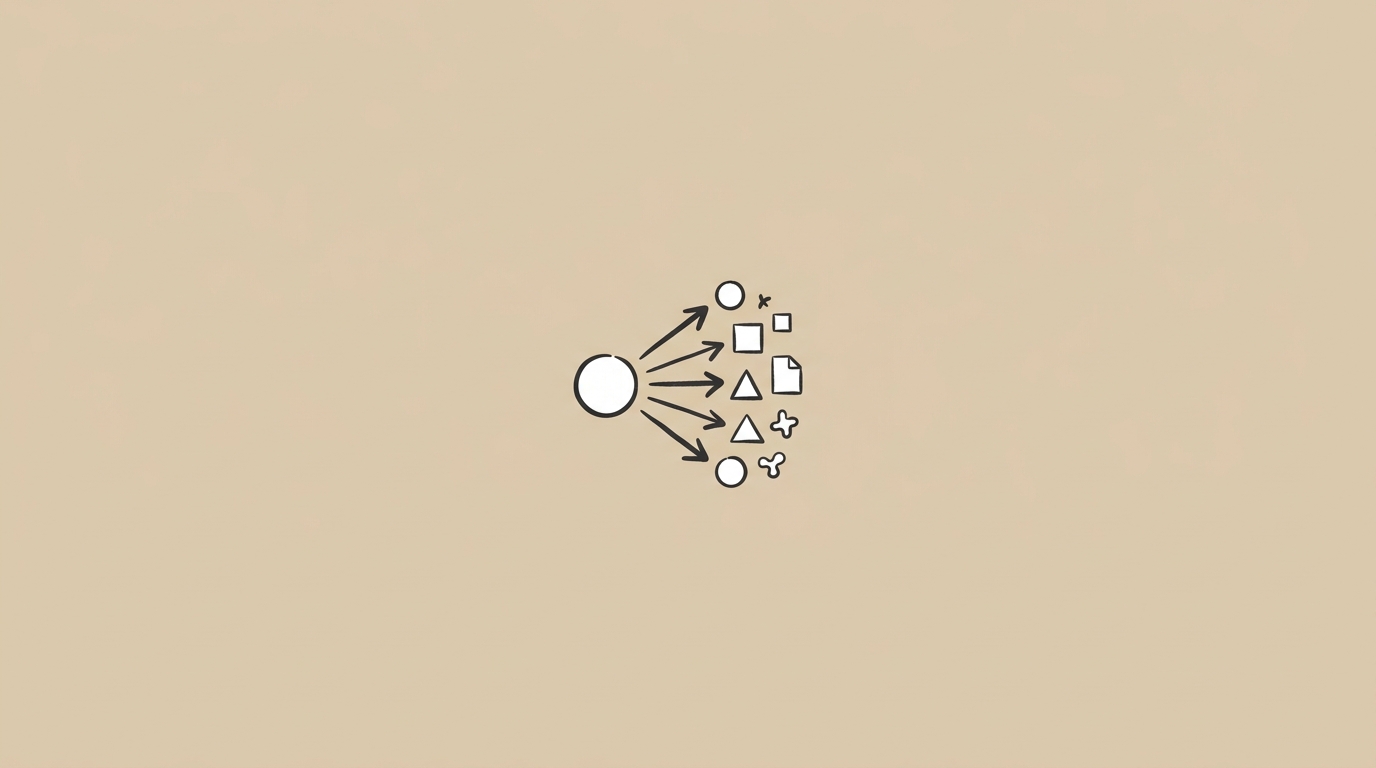
The production-line model — research once, distribute many. Concrete asset count math for turning one piece of content into 12-20 distribution units.
Dynamic pricing engines capture revenue most static pricing leaves on the table. They also start price wars and trigger regulators when done wrong. The framework for getting it right.

Every term you keep hearing in vendor pitches, defined in plain English with a one-line 'what this means for you' translation that ties each term to a real decision.

The real difference between generative and agentic AI, the Output vs Action lens, the four-part checklist that sorts use cases in 30 seconds, and where generative still wins.

AI agents, chatbots, and automations are different patterns with 10x cost differences. Here's how to pick the right one, with real cost math.

Predictive AI forecasts what comes next. Generative AI creates what didn't exist. Different jobs, different costs, different strengths — and most modern systems use both.
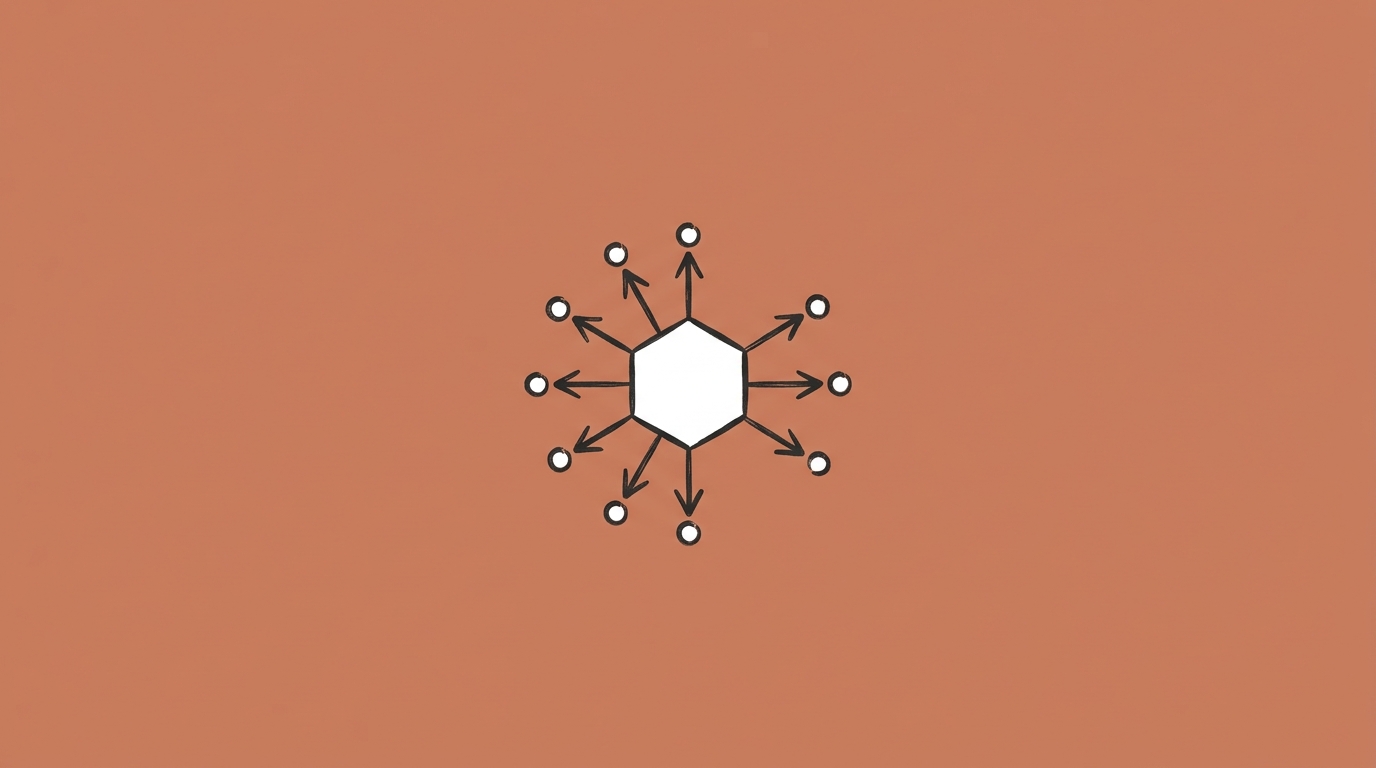
AI Mode does not run one search. It runs dozens. Here is the step-by-step process behind query fan-out, Gemini 2.5, and multi-source synthesis.
Agents didn't arrive because models got smarter. Four specific stack components crossed reliability thresholds between 2023 and 2026, and the model is only 10-20% of a working agent system.

Predictive maintenance is the headline use case. The four-layer manufacturing AI stack — maintenance, quality, planning, supply chain — is where the real revenue lives.

Three approaches to building AI agents — pure no-code, low-code, direct API — and the real cost, control, and volume tradeoffs that decide between them.
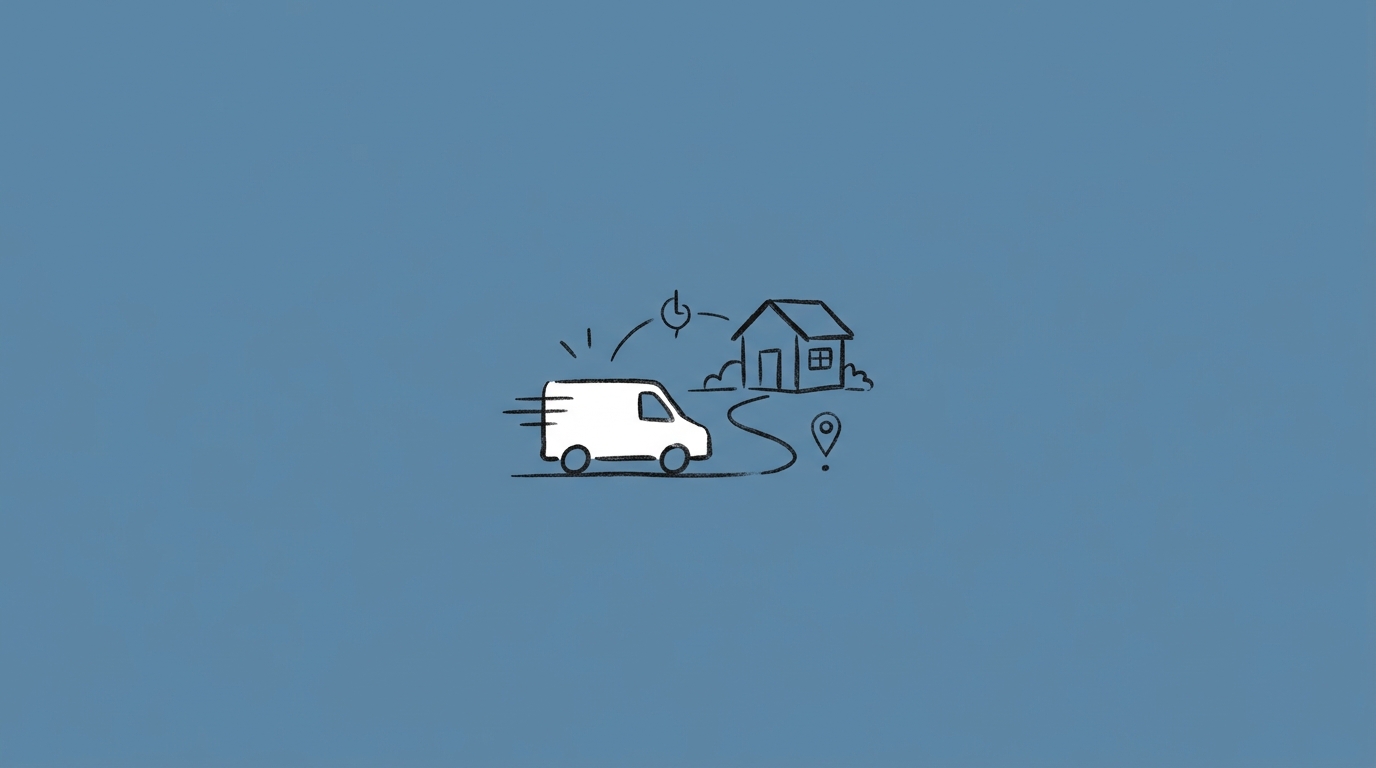
Last-mile is the most expensive segment of logistics — typically 40-60% of total delivery cost. AI's biggest logistics wins live here. The four levers that actually move the metrics.

A practical guide to AI agents for business in 2026: plain-language definitions, when to build one, real cost math, and the four-condition test.

AI in ecommerce isn't one thing — it's a layered stack from product data enrichment up to recommendations and pricing. Here's the full picture and how to size each layer.

AI Overviews and AI Mode are not the same thing. One is automatic and brief. The other is conversational and deep. Here is how they differ.

Six phrases that show up in nearly every AI vendor pitch in 2026, what they really mean, and the question that breaks each one.
The 10/20/70 frame: 10% generation, 20% editing, 70% strategy and source quality. Plus the specific moves that strip the AI tells from generated content.

AI is the goal. Machine learning is one way to get there. Deep learning is one way to do machine learning. The nested framework, plus the business decision rule that maps each layer to a real problem.

MIT, Cleanlab, and a Berkeley/Stanford/IBM study converge on the same picture: production agents are smaller, simpler, and more human-supervised than the marketing suggests.

Google AI Mode gives you one complete answer instead of a list of links. Here is how it works, what it does, and why it matters.
AI handles the volume. Humans handle the nuance. The best systems are designed with people in the loop from the start, not bolted on after something breaks.

Not every process should be automated. Here is how to figure out which ones should, what needs to be in place first, and the signs you are not ready yet.

New models come out every month. If your system can't swap, you're already behind. Here is how to build AI that evolves instead of breaks.

Everyone is talking about AI. Most companies do not know where to begin. Here is how to cut through the noise and find the right first step.

The difference between a system that lasts and one that breaks is the willingness to rebuild. Patience is the most underrated advantage in AI.