
The Real Cost of AI Sprawl (What the License Count Hides)
License spend is maybe 20% of the real cost of AI sprawl. Here's the four-layer cost model and worked math for a 500-person company.
How to think about AI at the systems level. Architecture, planning, and long-term decisions.
License spend is maybe 20% of the real cost of AI sprawl. Here's the four-layer cost model and worked math for a 500-person company.
AI sprawl is the uncontrolled spread of AI tools, agents, and embedded features across a company. Here's where it comes from and how to inventory it.
Most AI automation projects fail not because of the model but because of the data. A clear data strategy is the foundation that makes everything else work.
New models ship every quarter. If your AI system is locked to one provider, every upgrade becomes a rebuild. Here is how to design for change.
The technology works. The problem is everything that happens before anyone touches it.
Failed pilots, unused licenses, and a widening productivity gap. The real cost of not being AI ready is compounding — and most companies aren't doing the math.
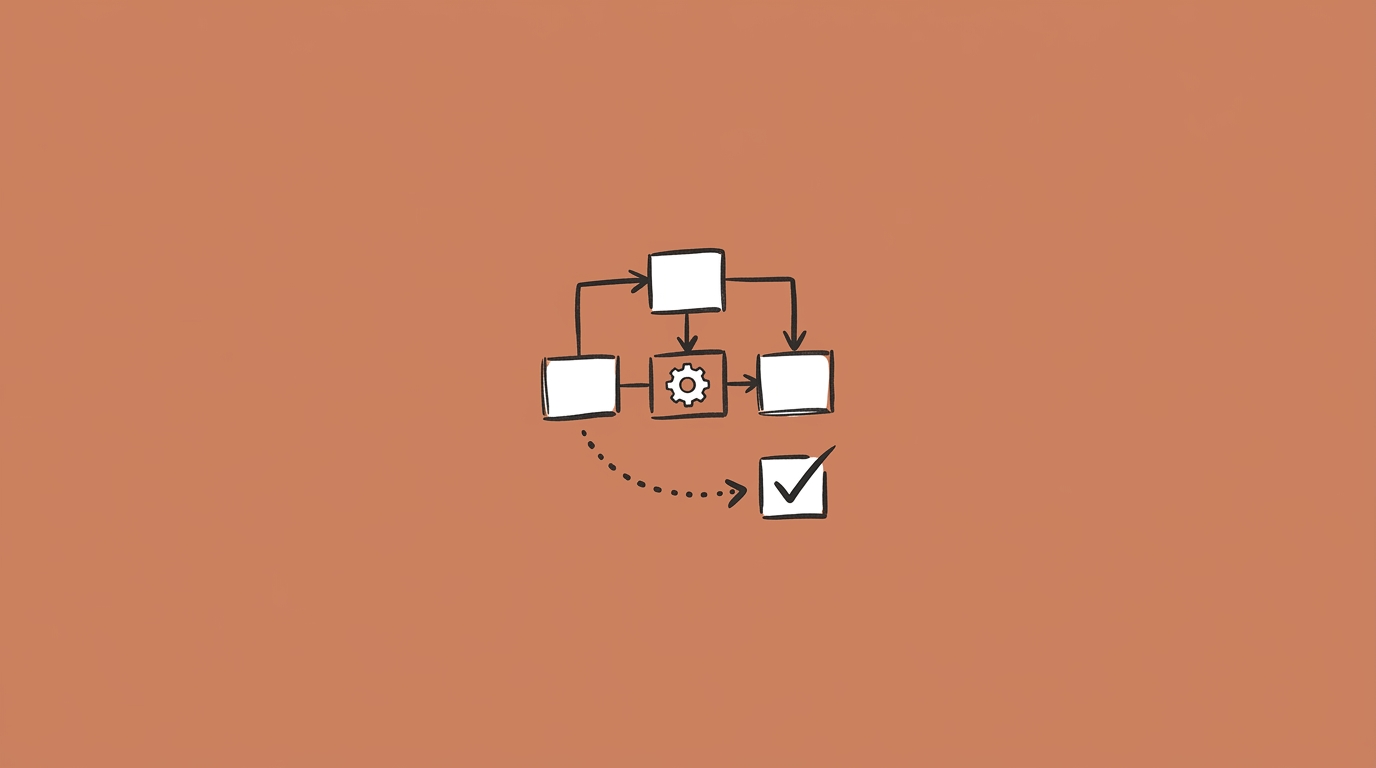
The number one predictor of AI ROI is end-to-end workflow redesign, not model selection. 84% of companies haven't done it. The problem was never the model.
Five specific cases where fine-tuning earns its keep, three where it's $40K wasted, and the five-step check before you start.

78% of companies have touched AI. Five percent have made money from it. Adoption and readiness are not the same number, and confusing them costs real money.
Five shapes of work where plain generative AI is still faster, cheaper, and more reliable than any agent you could build. With cost math and side-by-side workload comparisons.

About 75% of organizations say they use AI. Only 5% have systems mature enough to get real value from it. Here is where the readiness gap is hiding.
A four-question decision filter for RAG, fine-tuning, or neither. With the one option most AI guides skip: a better prompt.

The panic about AI Mode destroying web traffic is misdirected. Brands appear in 90% of AI Mode responses. The real threat is being invisible to it.

The real difference between generative and agentic AI, the Output vs Action lens, the four-part checklist that sorts use cases in 30 seconds, and where generative still wins.
AI Mode does not run one search. It runs dozens. Here is the step-by-step process behind query fan-out, Gemini 2.5, and multi-source synthesis.
Agents didn't arrive because models got smarter. Four specific stack components crossed reliability thresholds between 2023 and 2026, and the model is only 10-20% of a working agent system.

AI Overviews and AI Mode are not the same thing. One is automatic and brief. The other is conversational and deep. Here is how they differ.
Google AI Mode gives you one complete answer instead of a list of links. Here is how it works, what it does, and why it matters.
New models come out every month. If your system can't swap, you're already behind. Here is how to build AI that evolves instead of breaks.